


The 2026 Lincoln Nautilus Hybrid operates by combining a 2.0L turbocharged 4-cylinder gasoline engine with a 100 kW electric motor and an onboard lithium-ion battery. During deceleration and stopping, the electric motor reverses its function to act as a generator, capturing kinetic energy that would otherwise be lost as mechanical friction heat and storing it in the high-voltage battery to power low-speed electric driving and increase overall fuel efficiency.
This non-plug-in hybrid configuration continuously recharges its battery through gas engine operation and regenerative deceleration, requiring no external charging cords or wall outlets. Power transfers smoothly through a continuously variable automatic transmission that balances engine power and electric torque based on throttle demand. Under light acceleration and low speeds, the system can propel the midsize luxury SUV on electric energy alone before seamlessly engaging the turbocharged gas engine when extra power is required.
Luxury buyers evaluating midsize hybrid luxury crossovers often cross-shop across different cabin sizes. For drivers seeking a smaller footprint, exploring new Lincoln Corsair inventory options highlights how Lincoln applies tailored engineering across various vehicle classes. To experience how the hybrid powertrain delivers instantaneous torque during acceleration, give our team a quick call or stop by our Memorial Road showroom location to schedule a hands-on drive.
Table of Contents
- How Does Regenerative Braking Work During Daily Deceleration?
- How Much Does Regenerative Braking Improve City Fuel Economy Over Non-Hybrid Models?
- What Are the Main Powertrain Specs, Component Warranties, and Maintenance Benefits?
- Frequently Asked Questions About 2026 Lincoln Nautilus Hybrid Regenerative Braking
- Scheduling Nautilus Hybrid Maintenance
- How Does Regenerative Braking Work During Daily Deceleration?
- How Much Does Regenerative Braking Improve City Fuel Economy Over Non-Hybrid Models?
- What Are the Main Powertrain Specs, Component Warranties, and Maintenance Benefits?
- Frequently Asked Questions About 2026 Lincoln Nautilus Hybrid Regenerative Braking
- Scheduling Nautilus Hybrid Maintenance
How Does Regenerative Braking Work During Daily Deceleration?
Regenerative braking in the 2026 Lincoln Nautilus Hybrid captures kinetic energy whenever the driver releases the accelerator pedal or depresses the brake pedal. The electric motor instantly switches into a generator, applying electromagnetic resistance against the rotating drivetrain to slow the vehicle while generating electrical current that routes directly back into the lithium-ion battery.
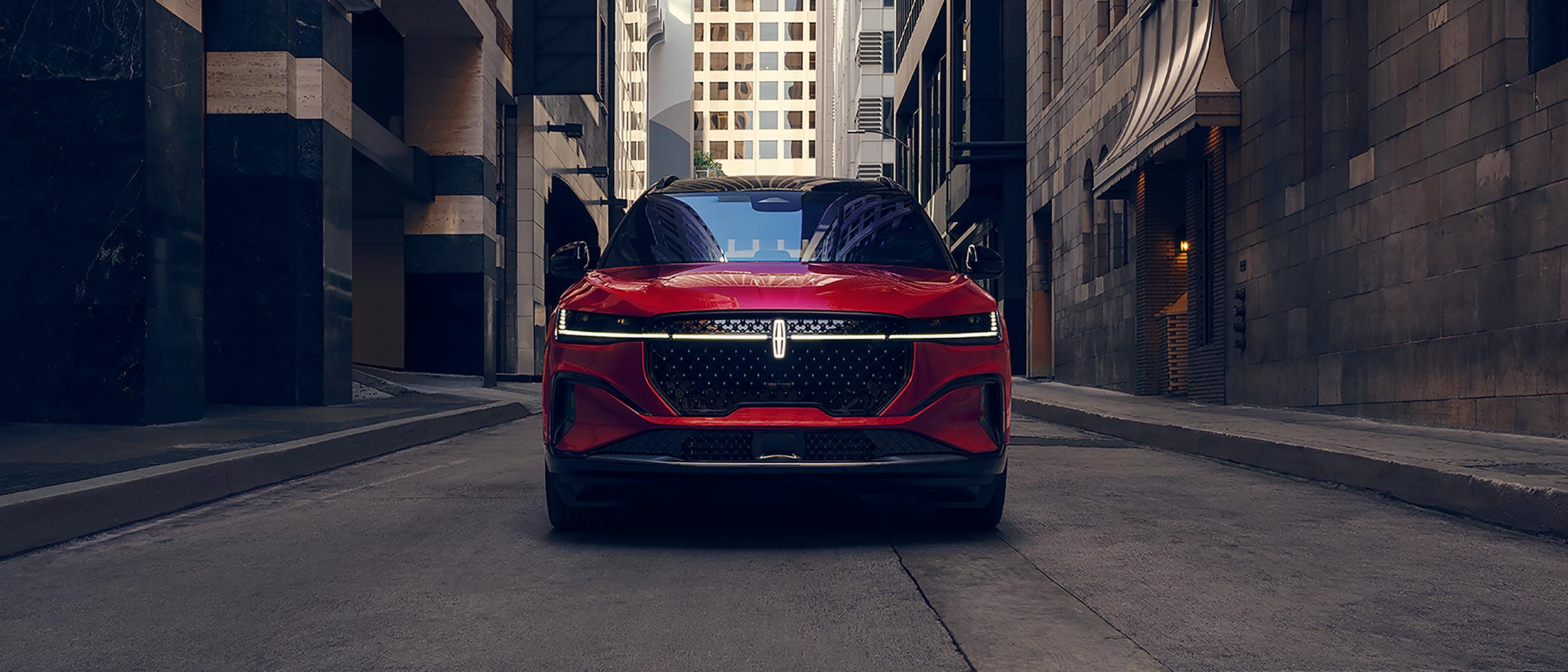

Initial pedal travel engages pure electrical regeneration to achieve smooth deceleration. When heavier braking force is requested, the electronic brake control module blends the electrical motor resistance with traditional hydraulic friction brakes on the wheels. This transition happens behind the scenes, providing predictable pedal feel while capturing maximum energy during standard stop-and-go driving.
Because electrical resistance performs a substantial portion of daily deceleration, mechanical friction brake pads and steel rotors encounter far less heat and physical wear. Over years of ownership, this design significantly extends brake component life compared to non-hybrid luxury SUVs. Drivers commuting into the city from Piedmont along Northwest Expressway experience continuous battery replenishment during peak traffic stops, transforming repetitive braking into stored electric energy.
When evaluating long-term vehicle ownership, comparing hybrid brake life against traditional systems is a frequent topic among shoppers reviewing our pre-owned vehicle lineup. The primary operational benefit remains consistent: regenerative braking harvests energy that standard gasoline vehicles discard as waste heat.
How Much Does Regenerative Braking Improve City Fuel Economy Over Non-Hybrid Models?
Regenerative braking improves city fuel economy on the 2026 Lincoln Nautilus Hybrid to an EPA-estimated 29 mpg city, compared to 21 mpg city on the conventional non-hybrid gas model. This represents an 8 mpg improvement in urban environments, achieved primarily because energy recovered during stopping is reused to power low-speed launches and electric coasting.
In highway driving, the hybrid model delivers an EPA-estimated 31 mpg highway compared to 29 mpg highway for the standard turbocharged gas engine. On a combined city and highway drive cycle, the hybrid achieves 30 mpg combined, outperforming the standard engine's 24 mpg combined rating.
| Performance & Fuel Economy Metrics | 2026 Lincoln Nautilus Gas | 2026 Lincoln Nautilus Hybrid |
|---|---|---|
| Engine Architecture | 2.0L turbocharged 4-cylinder | 2.0L turbocharged 4-cylinder + 100 kW electric motor |
| Transmission | 8-speed automatic | Continuously variable automatic transmission |
| EPA City MPG | 21 mpg city | 29 mpg city |
| EPA Highway MPG | 29 mpg highway | 31 mpg highway |
| EPA Combined MPG | 24 mpg combined | 30 mpg combined |
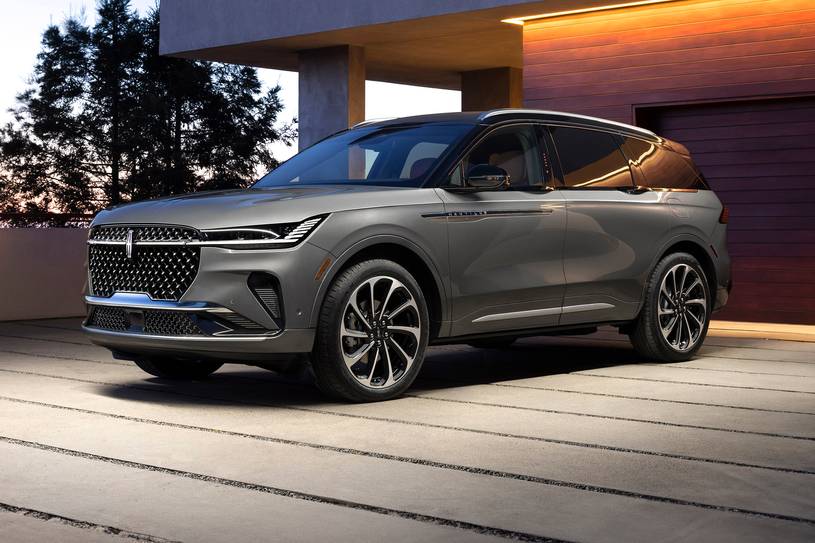

Urban commuting creates ideal conditions for regenerative hardware because frequent deceleration continuously tops off the battery. Around university corridors and suburban thoroughfares in Norman, where traffic signals and lower speed zones dictate the drive, the Nautilus Hybrid spends considerable time running on stored battery power rather than burning gasoline.
Shoppers interested in upgrading their daily efficiency can explore our new vehicle inventory to compare available hybrid packages. Drivers looking to apply current vehicle equity toward a luxury crossover can easily value your trade-in online before visiting our showroom.
What Are the Main Powertrain Specs, Component Warranties, and Maintenance Benefits?
The 2026 Lincoln Nautilus Hybrid generates a combined 285 horsepower and 295 lb-ft of torque by combining its turbocharged internal combustion engine with its high-output electric motor. This output provides responsive passing power while maintaining quiet operation inside the cabin.
Lincoln backs the Nautilus Hybrid with robust factory warranty coverage. High-voltage hybrid components, including the lithium-ion battery and regenerative drive electronics, are covered by an 8-year/100,000-mile hybrid component warranty. Additional vehicle protection includes:
- 4-year/50,000-mile bumper-to-bumper limited warranty
- 6-year/70,000-mile powertrain limited warranty
- 5-star overall NHTSA safety rating and IIHS Top Safety Pick+ recognition for safety engineering

Maintenance requirements for the hybrid system follow traditional 10,000-mile service intervals for oil changes and tire rotations. Because regenerative deceleration reduces physical wear on brake pads, brake service intervals are often extended compared to non-hybrid models. Specialized electronic system checks and multi-point inspections ensure the high-voltage controls operate at peak efficiency.
To assist with purchase planning, buyers can apply for financing online to secure pre-approval terms. Current owners needing scheduled maintenance can easily schedule a service appointment online with our certified technician team.
Frequently Asked Questions About 2026 Lincoln Nautilus Hybrid Regenerative Braking
Can you drive the 2026 Lincoln Nautilus Hybrid on pure electric power?
At low speeds and light throttle, the 2026 Lincoln Nautilus Hybrid operates solely on electric power, enhancing efficiency and reducing emissions. Energy gathered through regenerative braking and gas engine charging supports momentary electric propulsion during parking maneuvers, light neighborhood cruising, and stop-and-go queuing.
Does regenerative braking on the 2026 Lincoln Nautilus Hybrid feel different than conventional brakes?
Initial brake pedal pressure on the Nautilus Hybrid engages electrical motor resistance first, harvesting kinetic energy before seamlessly blending into conventional hydraulic friction brakes. Drivers quickly become accustomed to the smooth pedal feedback, which stops the vehicle predictably without grabby engagement.
Can you adjust the level of regenerative braking in the 2026 Lincoln Nautilus Hybrid?
The 2026 Lincoln Nautilus Hybrid automatically manages regenerative braking intensity based on active drive modes and driver braking input. Rather than requiring manual paddle adjustments, the onboard computer dynamically optimizes deceleration force and battery charging on every stop.
How does Lincoln BlueCruise interact with the regenerative braking system?
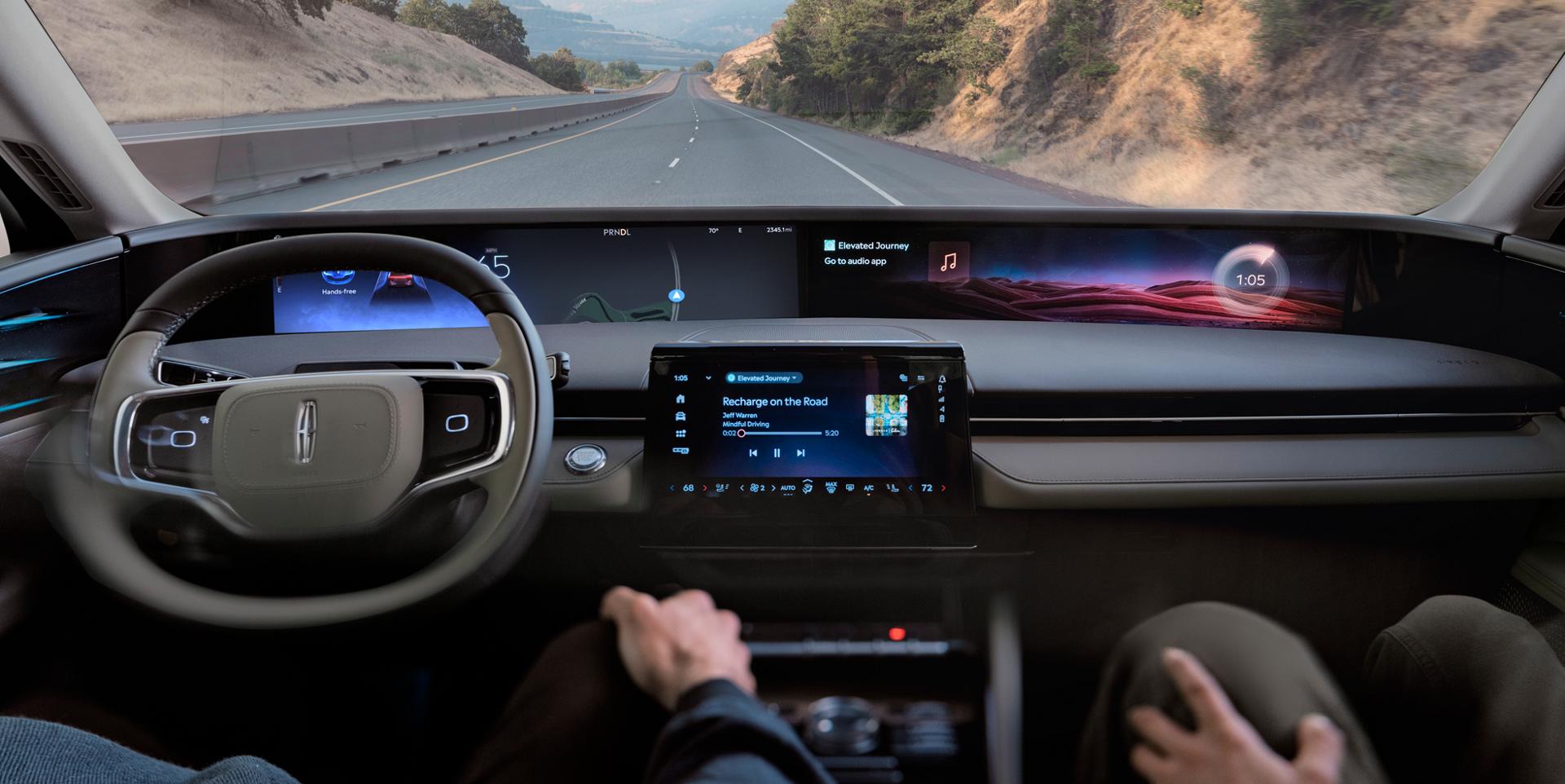
When Lincoln BlueCruise hands-free highway driving is engaged, the autonomous system utilizes regenerative braking to adjust cruise speed, maintain safe following distances behind traffic, and slow the SUV smoothly while capturing energy back into the high-voltage battery.

Do brake pads wear down slower on the Lincoln Nautilus Hybrid due to regenerative braking?
Friction brake pads and rotors on the Nautilus Hybrid last significantly longer than those on traditional gasoline vehicles because the electric motor handles a large portion of daily slowing forces, saving hydraulic friction pads for complete stops and hard braking events.
Luxury buyers comparing midsize and full-size luxury options can browse our new Lincoln Nautilus selection or evaluate three-row versatility by checking new Lincoln Aviator inventory online.
Scheduling Nautilus Hybrid Maintenance
Confirming specialized service care for the 2026 Lincoln Nautilus Hybrid is simple at Joe Cooper Lincoln of Edmond. Our factory-trained service technicians utilize Lincoln diagnostic equipment specifically calibrated to analyze high-voltage battery health, electric drive controllers, and regenerative braking software.

Whether you need routine maintenance or wish to inspect the hybrid brake system, our service department is equipped to handle all luxury hybrid requirements. Drivers can stop by our Memorial Road dealership location in person or call our team directly to speak with a Lincoln brand specialist, schedule a hybrid test drive, or set up your next service appointment.
© 2026 Joe Cooper Lincoln of Edmond. All rights reserved.